


The Budget lands on 28th October. Why the best move before it is usually no knee-jerk move at all
23.10.2026
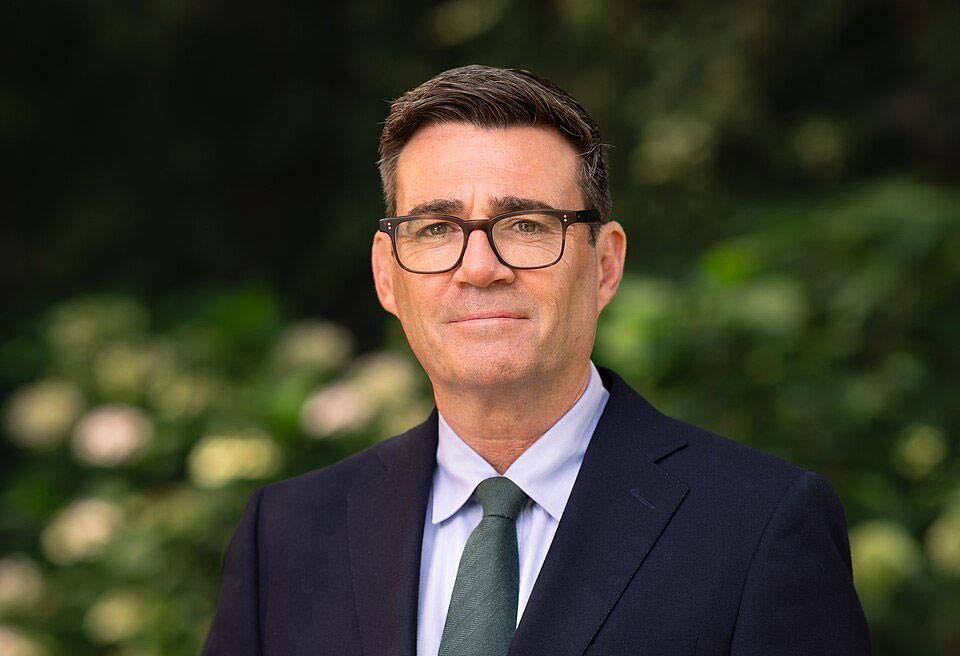
Image: Alecsandra Dragoi / No 10 Downing Street / Open Government Licence v3.0
The Autumn Budget is on Wednesday 28th October 2026, the first delivered by Chancellor John Healey.
For most people, the right response to the speculation before it is to wait for the facts. The exception is a decision that was already part of your plan before the rumours started.
Why do Budget rumours make people rush?
Nothing is confirmed until the Chancellor stands up, so the weeks before a Budget fill with guesswork. Pensions, tax-free cash, ISAs and capital gains come up almost every year. When a rumour touches money you have spent decades building, doing something feels safer than doing nothing.
The problem is that many of the moves people make in a hurry are hard or impossible to reverse.
What happened when people acted on rumours before the 2024 Budget?
Before the 2024 Budget, speculation grew that the 25% tax-free pension lump sum would be cut. Savers responded. FCA figures show tax-free cash withdrawals rose from £11bn to £18bn in 2024/25, a 62% increase.
The Budget made no change to tax-free lump sums. Many people then tried to put the money back using 30-day cancellation rights. HMRC and the FCA confirmed that once a lump sum is paid, its tax consequences cannot be undone, and the person may have used up part of their lifetime lump sum allowance of £268,275.
So some savers moved money out of a tax-efficient pension to protect against a change that never happened, and could not reverse it.
When can acting before the Budget be the right call?
Some Budget changes take effect on the day itself. In 2024, the main rates of capital gains tax rose from 10% and 20% to 18% and 24% for disposals made on or after Budget day, 30 October 2024.
That cuts both ways. If you had already planned to sell investments, use an allowance or make a contribution, bringing that forward a few days can be sensible. Making a new, irreversible decision because of a headline is a different thing entirely.
How do you tell a planned move from a knee-jerk one?
Ask three questions before you act:
- Would you do this if there were no Budget? If the answer is no, the rumour is making the decision, not your plan.
- Can you undo it? A pension lump sum cannot be reversed. Selling and rebuying investments can have costs and tax consequences.
- Does it still make sense if the rumour is wrong? If the move only works when the rumour comes true, you are betting, not planning.
A move that passes all three is usually a planned one. A move that fails any of them deserves a conversation first.
What should you do after 28 October?
Read the detail, not the headlines. Budget announcements often come with start dates, thresholds and conditions that change who is affected. Some measures are consulted on before they become law.
Once the detail is out, check whether anything in your plan needs to change. In most cases, the answer will be small adjustments, not a rethink.
Nothing to act on here unless you want to, but if it’s playing on your mind, your adviser’s the person to ask.
FAQ
When is the Autumn Budget 2026?
Wednesday 28 October 2026. It is John Healey’s first Budget as Chancellor, and the Office for Budget Responsibility will publish its economic and fiscal forecast on the same day.
Should I take my 25% tax-free pension cash before the Budget?
Only if you would take it anyway. As of 22 October 2026, no pension measures have been confirmed for this Budget. Taking a lump sum is permanent, so the reason should be a need you already had, such as clearing a mortgage, not a rumour.
Can I reverse a pension tax-free cash withdrawal if the rules don’t change?
No. HMRC has confirmed that once a tax-free lump sum is paid, the tax consequences cannot be undone, even if the money is returned or cancellation rights are used. The amount taken counts against your lump sum allowance.
Do Budget tax changes take effect straight away?
Some do. Capital gains tax rate rises in the 2024 Budget applied to disposals from Budget day itself. Many other changes start at a later date, often the next tax year on 6 April. Rules designed to stop people beating a change by acting early can also apply.
How much tax-free cash can I take from my pension?
Usually up to 25% of your pension, within an overall lifetime lump sum allowance of £268,275 for most people. Your scheme’s rules decide how and when you can take it, and taking it in stages can sometimes be more tax-efficient than taking it all at once.
Will the Budget affect my investments?
It can move markets in the short term, particularly if it changes expectations for interest rates or government borrowing. A long-term investment plan should not hinge on a single day. If the Budget changes how your investments are taxed, that is a reason to review your plan, not to react on the afternoon.
Who should I speak to about the Budget and my own finances?
Your financial adviser. They can look at any change against your actual pension, savings and tax position, which a headline cannot do.
About the author
Sedulo Wealth is the financial planning arm of Sedulo, a UK group of accountancy, tax, audit and corporate finance firms with offices across England and Scotland. Sedulo Wealth Management is authorised and regulated by the Financial Conduct Authority. Its advisers help individuals and business owners plan pensions, savings and investments, working alongside Sedulo’s tax and accountancy specialists so that a change in the rules is looked at against the whole picture, not one account in isolation.


Insights
Here you can find our thoughts and advice on industry news and happenings.



Get in touch
Call and speak to a member of our talented team of experts. It’ll be a friendly conversation with no obligation. Our goal is to see how we can help you with a plan for life.
 0333 222 4445
Get in touch
Call and speak to a member of our talented team of experts. It’ll be a friendly conversation with no obligation. Our goal is to see how we can help you with a plan for life.
0333 222 4445